Technology
The Science of Foldable Strength: Inside Collapsible Rigid Box Design
Explore how modern foldable box design blends strength with flexibility using smart materials, precise engineering, and innovative structures for durable, space-saving packaging solutions.
Sarah Johnson
April 22, 2026
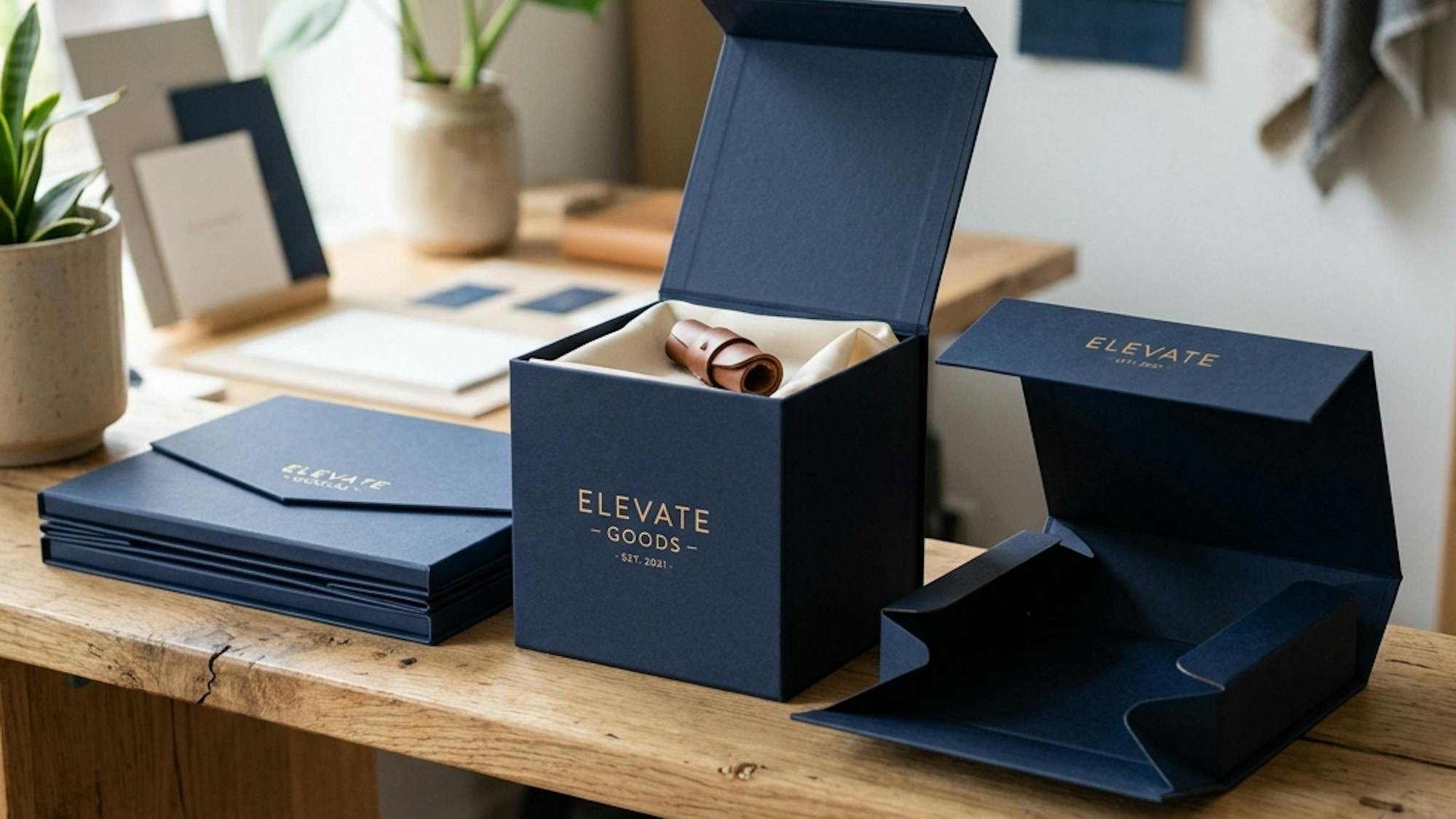
Packaging is no longer just about covering a product. It now blends strength, usability, and smart design. Modern foldable boxes show how engineering and creativity work together.
## How Material Choices Shape Real Strength
When you look at a strong foldable box, the first thing behind it is the material. Not all paperboard is the same. Some types are soft, while others feel dense and firm. Designers carefully choose materials based on how the box will be used.
For example, thicker boards provide better support. However, they can become hard to fold. So, a balance is always needed. This is where layered construction helps. By combining different layers, designers can achieve both strength and flexibility at the same time.
Another important detail is fiber direction. Paper fibers are not random. They run in lines, and this affects how the material bends. If the fold goes against the fiber direction, cracks may appear. But when aligned correctly, folds become smooth and clean.
Surface coatings also play a big role. They protect the box from moisture and scratches. At the same time, they improve the visual appeal. A smooth finish can make the packaging feel premium without changing its structure.
Adhesives are just as important. They must hold parts together without making the box stiff. If the glue is too strong, folding becomes difficult. If it is too weak, the structure may fail. So, careful testing is always done.
In real use, materials face changes in temperature and humidity. Because of this, designers test them under different conditions. This ensures the box performs well in storage and shipping.
## Why Folding Is More Complex Than It Looks
At first glance, folding seems simple. But in reality, it involves careful planning and precision. Every fold is designed to happen in a controlled way.
The most important part is the hinge area. This is where the material bends again and again. To make this possible, scoring lines are added. These lines guide the fold and reduce stress on the surface.
The depth of these lines matters a lot. If they are too deep, the board becomes weak. If they are too light, folding becomes difficult. That is why manufacturers test different levels before finalizing a design.
Creasing tools are also used to press lines into the material. This makes folding easier and prevents visible cracks. As a result, the box keeps its clean and polished look.
Another factor is fold memory. Materials naturally try to return to their original shape. However, proper scoring helps control this behavior. This allows the box to stay in place when folded.
Repeated use is also considered. A well-designed fold should last through many cycles. Weak folds can break quickly, which reduces the box’s life.
Even small misalignment can cause problems. Uneven folds can affect the entire structure. Because of this, precision machines are used during production.
## Understanding How Weight Is Handled
A strong box must carry weight without losing its shape. This is where smart structural design comes in. Every part of the box plays a role in handling pressure.
The walls act like support pillars. They carry most of the vertical load. If the walls are weak, the box can collapse easily. That is why thickness and material quality matter.
Corners are even more important. They handle a large portion of the stress. Reinforcing corners helps the box stay stable under pressure.
The base also needs special attention. A weak base can sag under weight. To prevent this, designers often use multiple layers. This spreads the weight evenly and increases strength.
Inside the box, extra supports can be added. Inserts or dividers help distribute weight. They also protect the product from movement.
Stacking is another real-world challenge. Boxes are often placed on top of each other. This creates pressure from above. So, the design must handle both vertical and side forces.
Movement during transport adds more stress. Sudden stops or shifts can increase pressure on certain areas. Because of this, designs are tested for dynamic conditions as well.
## Design Details That Quietly Improve Durability
Some of the most effective features are not obvious at first. They work in the background to improve strength and usability.
* Magnetic closures help keep the box securely shut. They also reduce wear compared to mechanical locks.
* Hidden flaps add extra layers of support. They strengthen the structure without changing the appearance.
* Reinforced edges protect the most vulnerable parts of the box. This reduces damage during handling.
* Interlocking panels hold the structure firmly in place. They reduce movement and improve stability.
* Flexible joints allow smooth folding without cracks. This increases the life of the box.
These features also improve user experience. A box that opens and closes smoothly feels better to use. It also reflects quality.
A collapsible rigid box is a great example of this balance. It offers both strength and convenience. It can be folded when not in use, which saves space.
Storage efficiency is another benefit. Businesses can store more units in less space. This also reduces shipping costs.
At the same time, visual design is not ignored. Clean edges and smooth finishes create a premium look. This adds value without affecting performance.
## Why Precision in Manufacturing Matters So Much
Even the best design can fail if production is not accurate. That is why precision is a key part of the process.
Cutting machines must follow exact measurements. A small mistake can affect how the box folds. This can lead to weak points in the structure.
Scoring and creasing must also be perfectly aligned. These steps define how the box behaves during use. Any error can cause uneven folds.
Quality checks are done at every stage. Materials are inspected before production begins. Finished boxes are tested for strength and durability.
Automation helps improve consistency. Machines can produce identical parts again and again. This reduces variation and increases reliability.
However, human inspection is still important. Experts can spot issues that machines may miss. This adds an extra layer of quality control.
Environmental conditions inside factories are also controlled. Temperature and humidity can affect materials. Keeping stable conditions ensures better results.
Testing continues even after production. Boxes go through drop tests and pressure tests. These checks confirm that the design works in real situations.
## The Growing Importance of Eco-Friendly Design
Today, sustainability is no longer optional. It is a key part of packaging design. Companies are now focusing on reducing their environmental impact.
Many boxes are made from recyclable materials. Paper-based options are widely preferred. They are easier to reuse and break down naturally.
Coatings have also improved. Water-based finishes are now common. They are safer for the environment and still provide good protection.
Efficient design helps reduce waste. Using less material without losing strength is a major goal. Foldable designs support this idea by saving space.
Energy use during production is also considered. Modern factories use energy-efficient systems. This helps lower overall emissions.
Reusable packaging is becoming more popular. Strong designs allow boxes to be used multiple times. This reduces the need for new materials.
Customers are also more aware now. Many prefer eco-friendly options. This pushes brands to adopt better practices.
Certifications help maintain standards. They ensure that materials are sourced responsibly. This builds trust with customers.
## How Testing Builds Confidence in Performance
No packaging design is complete without testing. It ensures that the box performs as expected in real conditions.
Drop tests check how the box handles impact. They simulate accidental falls during handling.
Compression tests measure how much weight the box can تحمل. This helps define its load capacity.
Vibration tests recreate transport conditions. They show how movement affects the structure.
Moisture tests examine how the box reacts to humidity. This ensures durability in different environments.
Each test provides useful data. Engineers use this information to improve designs. Weak areas are identified and fixed.
Testing also protects the product inside. A strong box reduces the risk of damage. This is important for both businesses and customers.
Standard testing methods are followed. These ensure consistency across different designs. They also help compare performance levels.
Regular testing leads to better innovation. New materials and techniques are developed over time. This keeps improving overall quality.
## What the Future Holds for Foldable Packaging
Packaging design continues to evolve. New ideas and technologies are shaping the future.
Smart materials are one exciting area. These materials can adjust to different conditions. For example, some can resist moisture more effectively.
Digital design tools are also improving. They allow designers to test ideas before production. This saves time and reduces errors.
Automation is becoming more advanced. Machines now handle complex tasks with high accuracy. This improves both speed and quality.
Sustainability will remain a major focus. New eco-friendly materials are being developed. These aim to reduce environmental impact even further.
Lightweight designs are also gaining attention. They use less material but still offer strong performance. This improves efficiency in shipping and storage.
Customization is another growing trend. Brands want unique packaging that stands out. Advanced printing makes this possible.
Reusability will likely increase in importance. Future designs will focus on longer life cycles. This will help reduce waste and save resources.
## Final Thoughts
Foldable packaging shows how smart thinking can solve real problems. It combines strength, flexibility, and efficiency in one design. Every detail, from material choice to folding lines, plays an important role.
What makes this approach special is balance. A box must be strong, yet easy to fold. It must protect products, yet save space. Achieving all this requires careful planning and testing. Designers do not rely on guesswork. Instead, they use real data and experience to guide decisions.
Another key point is user experience. Packaging is not only about protection. It also affects how people feel about a product. A smooth opening, a clean fold, and a solid structure all create a better impression. This is why design and function must work together.
Sustainability also shapes modern packaging. Businesses now look for ways to reduce waste. Foldable designs help by using fewer materials and saving storage space. At the same time, recyclable options make them more eco-friendly.
Looking ahead, innovation will continue to improve these designs. New materials, better tools, and smarter processes will make packaging even more efficient. However, the core idea will remain the same. Strength and flexibility must exist together.
**Place Your Order Now**: [https://ibexpackaging.com/custom-collapsible-foldable-rigid-boxes/](https://ibexpackaging.com/custom-collapsible-foldable-rigid-boxes/)